

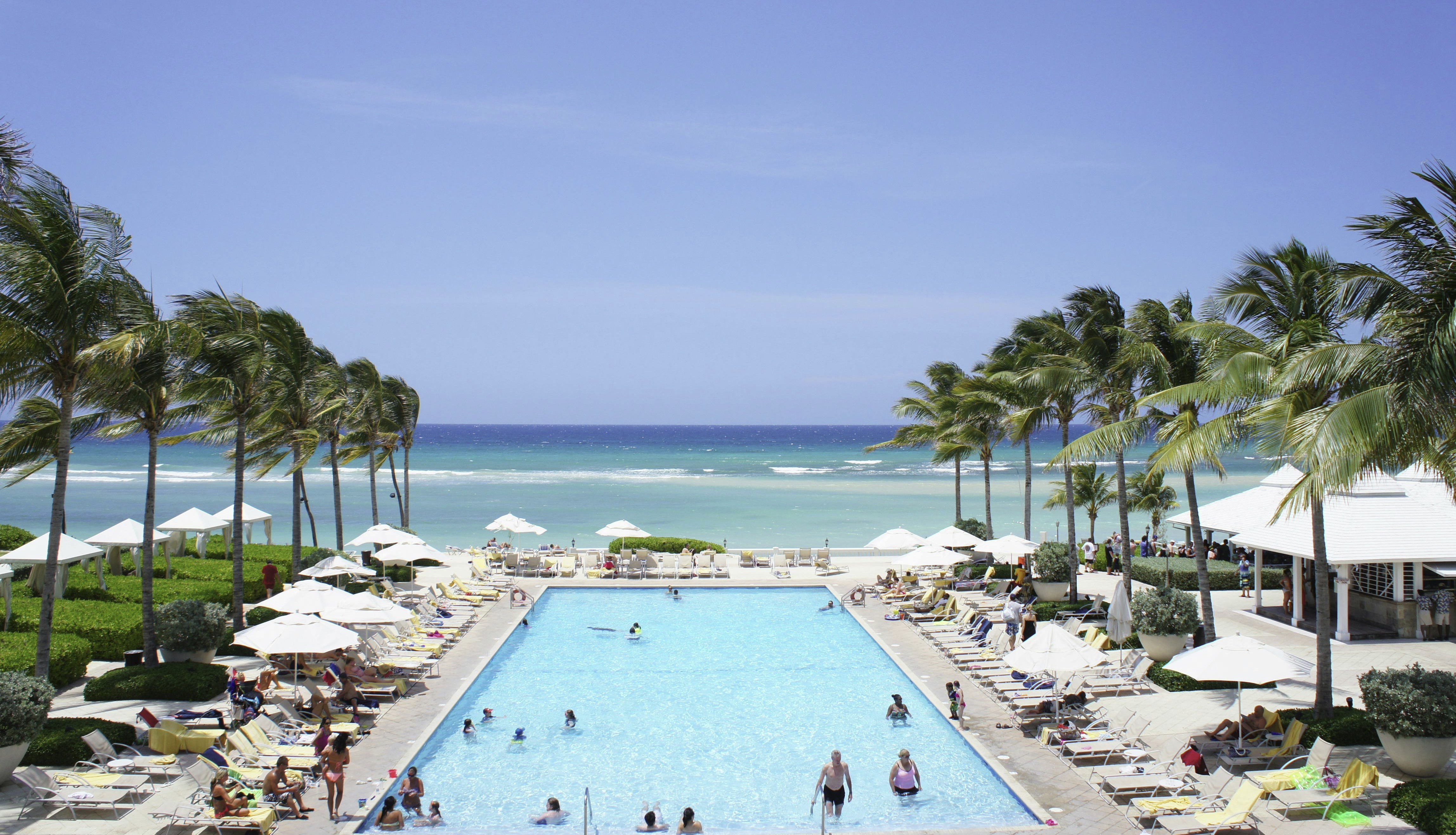
Boynton Beach residents may want to take a closer look at the inspection history of their community pool before jumping in this summer. Palm Beach County health inspectors issued 36 “unsatisfactory” pool inspection reports in Boynton Beach between March 1 and May 7, according to recently released Florida Department of Health inspection records reported in a South Palm Beach County review.
That placed Boynton Beach second among the cities included in the review, behind Boca Raton, which recorded 71 unsatisfactory pool ratings during the same period. The inspections covered shared-use pools and spas at places many residents use regularly, including condominium communities, HOAs, apartment complexes, hotels, fitness centers, and other public or semi-public facilities.
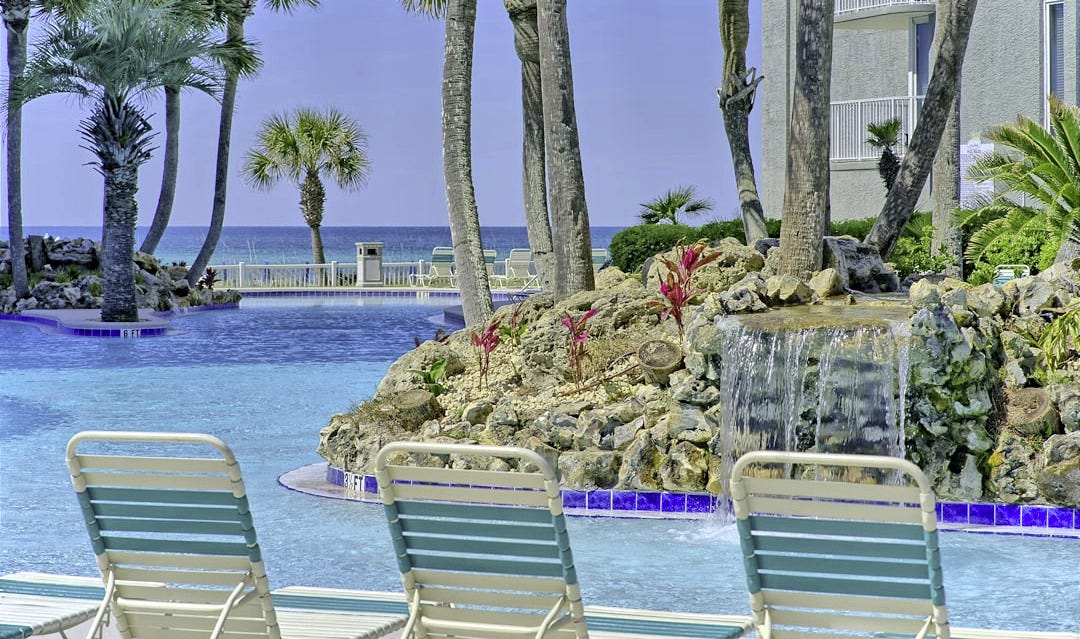
Under Florida law, many pools serving apartments, subdivisions, hotels, motels, townhouses, parks, schools, churches, and similar properties are considered public swimming pools, even if they feel “private” to the residents who use them. An unsatisfactory inspection does not automatically mean a pool was shut down, and it does not always mean swimmers were in immediate danger.
It means inspectors found violations that required correction. According to the report, many facilities may have fixed their issues after inspection and later passed follow-up reviews. Still, the numbers matter for Boynton Beach because community pools are part of everyday life here. In a city filled with condo associations, gated communities, apartment complexes, active adult neighborhoods, and fitness centers, thousands of residents rely on shared pools for exercise, recreation, socializing, and relief from South Florida heat.

A failed inspection can point to issues residents may not notice just by looking at the water. The Florida Department of Health says it enforces sanitation and safety standards for public pools through operating permits and inspections. Those standards are meant to protect swimmers from health and safety problems involving pool sanitation, water quality, disinfectant levels, safety equipment, fencing, signage, drain covers, and overall operation.
Florida law gives the Department of Health authority to set sanitation and safety rules for public swimming pools and bathing places. Those rules can involve water supply, chemical and microbiological water quality, purification, disinfection, lifesaving equipment, and measures to protect bathers. For residents, the takeaway is simple: do not assume a pool is properly maintained just because it looks clean.

Clear water is not the same thing as compliant water. Before using a community pool, especially at a condo, HOA, apartment complex, gym, or hotel, residents can ask management when the pool was last inspected, whether any violations were found, and whether those violations were corrected. Residents can also review public pool inspection results through the Florida Department of Health’s online inspection database, which allows the public to view inspection results by county.
For Boynton Beach, the issue is not panic. It is awareness. With summer heat, school breaks, and hurricane-season humidity all arriving, shared pools will only get busier. A properly maintained pool is not just a neighborhood amenity. It is a public health responsibility.
