

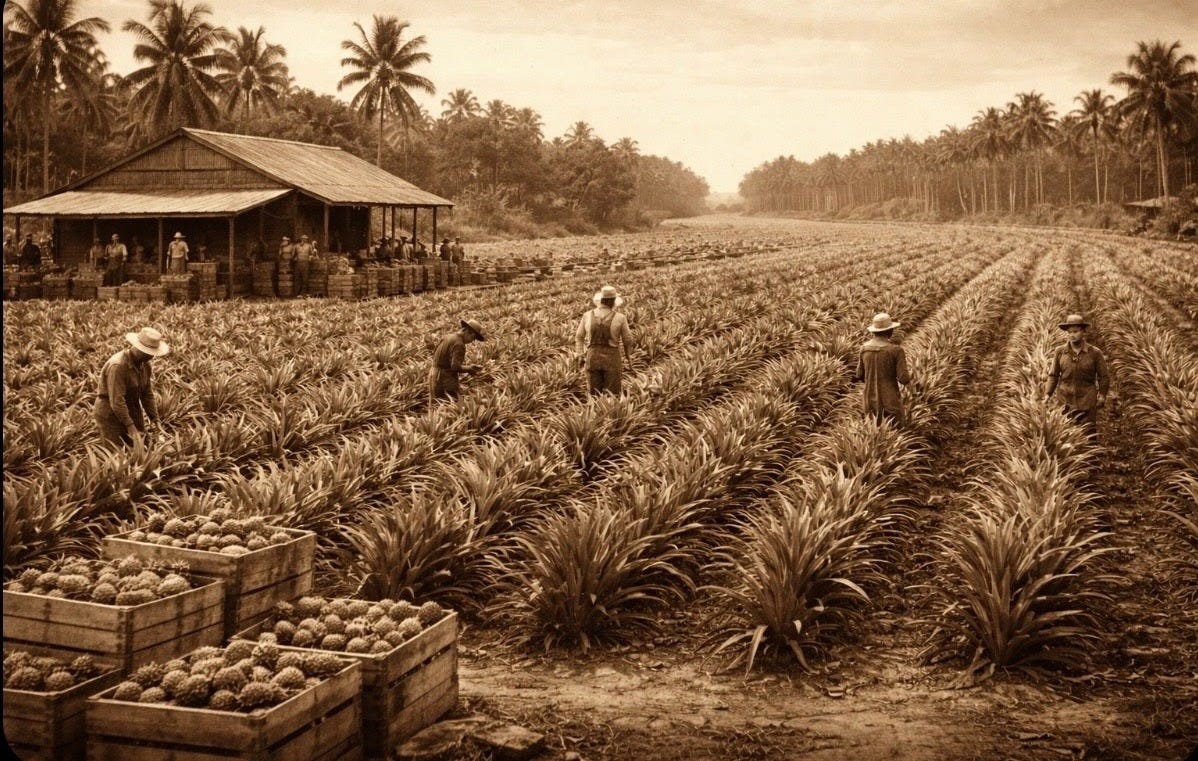
Before condos lined the coast, before traffic stacked up on Boynton Beach Boulevard, and before the city became one of South Florida’s most recognizable places to live, Boynton Beach was something far quieter and far more uncertain. It was farmland. Not glamorous. Not easy. Just raw opportunity, sandy soil, and a handful of determined people betting that this stretch of coastal Florida could become something more.
And they were right. In the late 1800s and early 1900s, settlers arrived in what would become Boynton Beach drawn by promise, possibility, and the belief that the land could provide. What they found was not an instant paradise. The soil was sandy. The heat was intense. The weather could be unpredictable and unforgiving. But through trial, error, and stubborn persistence, early farmers figured out what could survive here and what could thrive.
⭐ Looking for more customers? We’ll get you seen. Give us a shout.

A few crops quickly rose to the top. Pineapples became one of the area’s earliest commercial success stories, helping put Boynton on the map during Florida’s agricultural rise. Tomatoes became especially valuable as a winter crop, shipped north when colder states could not produce their own. Beans and peppers helped feed local families and support the local economy. Citrus groves also played a role, adding to the region’s agricultural identity, even if they were only one piece of a much larger picture.
Back then, the Boynton Beach we know today barely existed. What are now major roads like Federal Highway, Seacrest Boulevard, and areas along the coastal ridge west of A1A were once little more than sandy tracks running through farmland. Instead of retail plazas and neighborhoods, there were rows of crops. Instead of constant traffic, there were wagons, workers, and long days in the Florida sun.
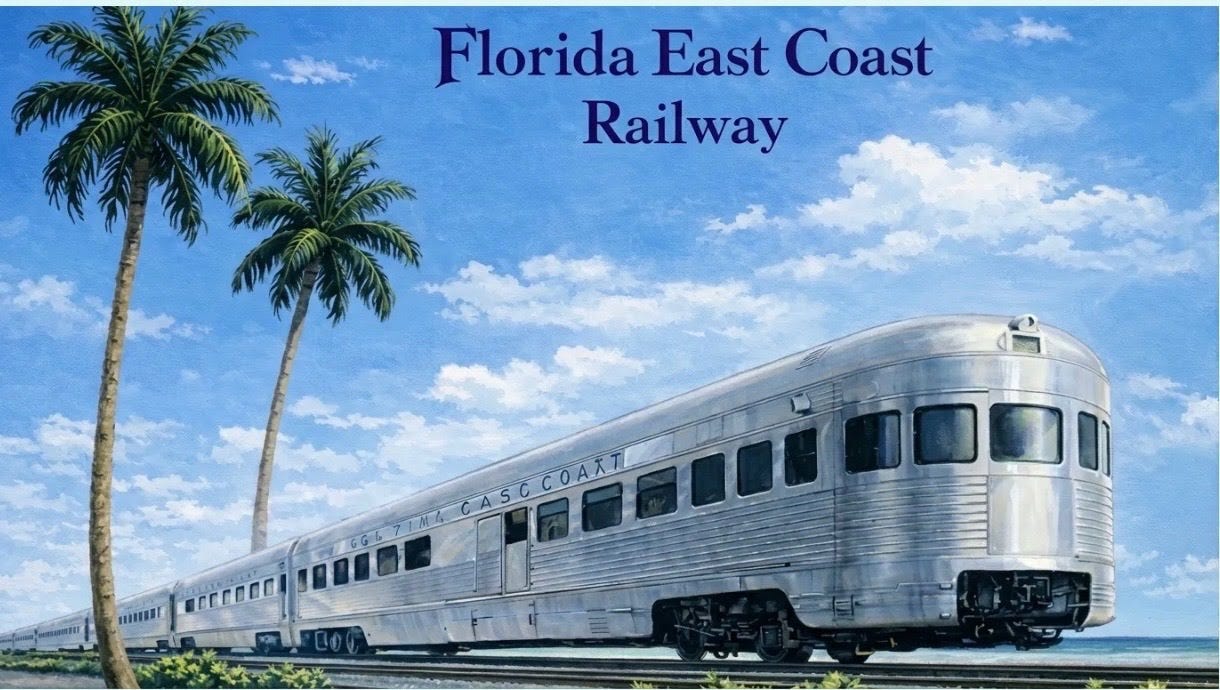
Then came the breakthrough that changed everything: the Florida East Coast Railway. That railway turned local farming into real economic power. Farmers packed vegetables into wooden crates and hauled them to small depots and packing houses near the tracks. From there, Boynton-grown produce traveled north to major cities like New York, delivering fresh winter crops to markets that had little else like it. That was not just local agriculture. That was one of South Florida’s earliest true economic engines.
You can almost picture it. The thud of crates being stacked. The whistle of trains arriving at dawn. Workers sorting, packing, and loading produce by hand. Packing houses buzzing during harvest season. Simple wooden homes standing near the fields, raised just enough to avoid flooding, cooled not by air conditioning but by ocean breezes and resilience. This was not easy living. It was demanding, physical, uncertain work. And it shaped the character of the community.
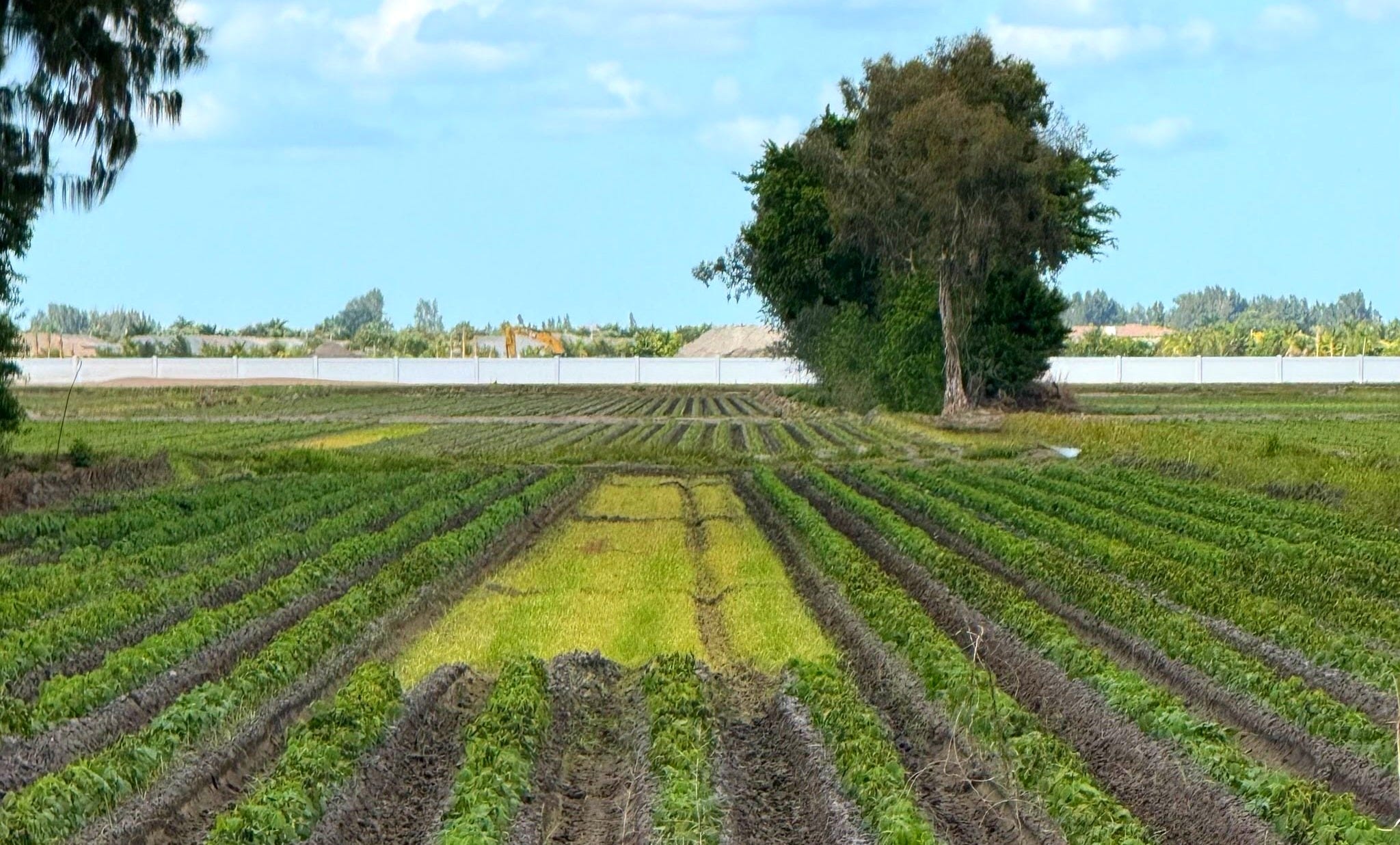
Boynton’s location helped. The coastal ridge offered slightly higher elevation and better drainage than the wetter lands farther west. But even that advantage came with no guarantees. Sudden cold snaps could wipe out crops overnight. Hurricanes and flooding were constant threats. Every season carried risk. Yet the people here adapted, endured, and kept growing.
That matters, because Boynton Beach did not begin as a master-planned idea or a polished development pitch. It began as effort. It began as people waking early, working long hours, taking risks, and building something row by row.
So what does that mean for Boynton Beach residents today?
It means the city’s story did not start with condos, chain stores, or rapid development. It started with labor, experimentation, and grit. The Boynton Beach people know today was built on foundations that were practical, hardworking, and deeply tied to the land. That history still shows up in ways many residents may not even notice.
Some of the city’s road patterns trace old agricultural lines. Certain open spaces still hint at the landscape that came before the subdivisions. The very shape of modern Boynton, in some places, still follows the footprint of its farming past. More importantly, that past tells residents something about the city’s identity.
Boynton Beach has always been a place of transition. It has always been changing. But change is not new here. Reinvention is part of the city’s DNA. The difference is that earlier generations were transforming farmland into a working community, while today Boynton is navigating what it means to be a growing city in a crowded, fast-changing South Florida.
That raises a bigger question: what does the future look like? If the past is any guide, Boynton Beach will keep evolving. Growth will continue. Development will continue. Roads will get busier. More people will move in. More pressure will be placed on housing, infrastructure, and the city’s sense of identity. But the future of Boynton should not be built by forgetting what came before. It should be built by understanding it.
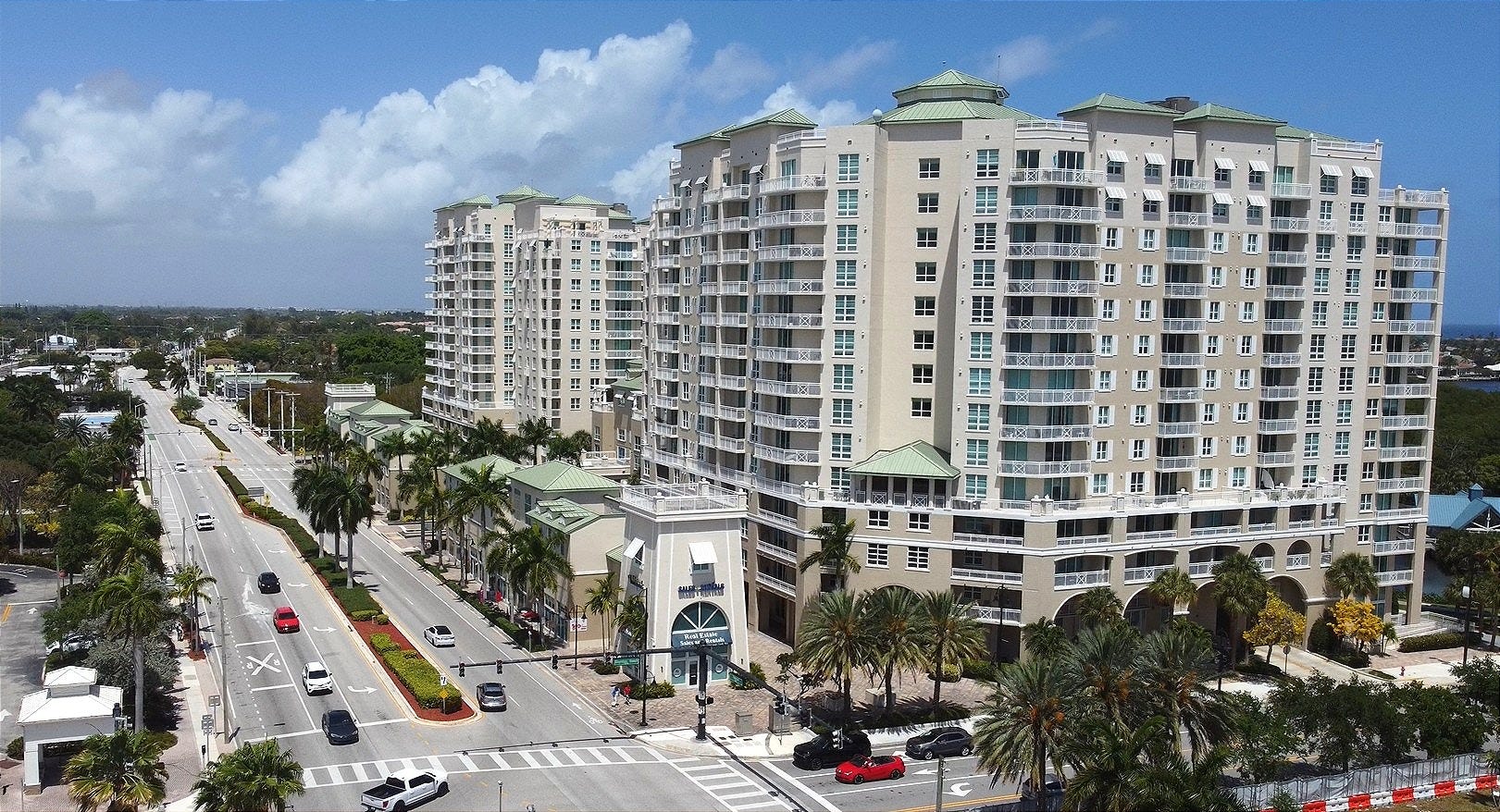
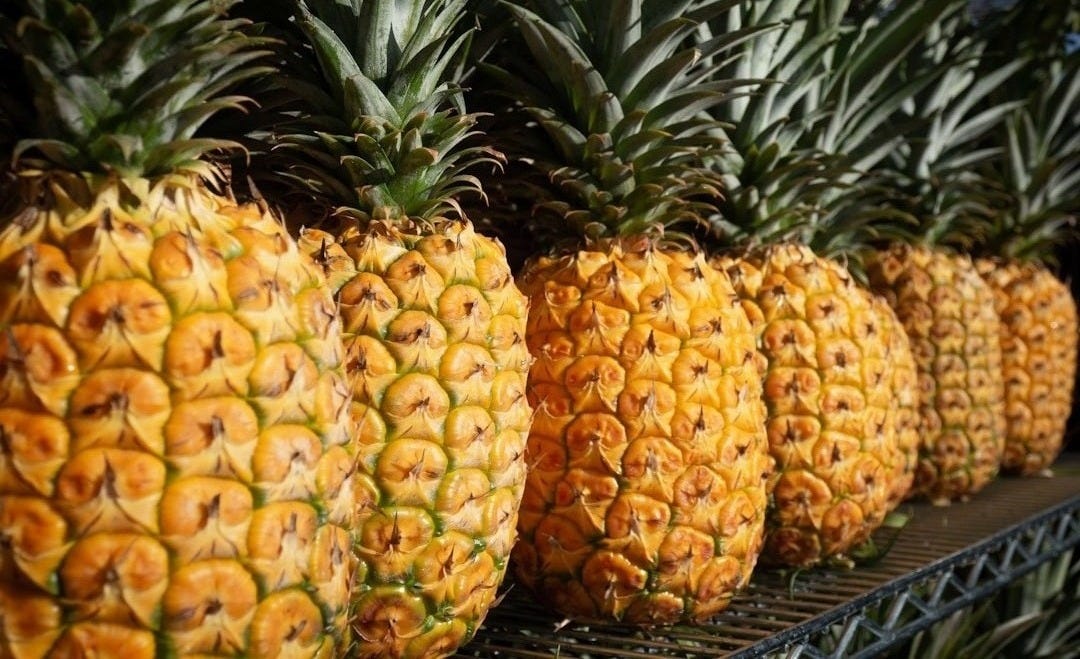
Because when residents know that this city grew from rows of pineapples, winter tomatoes, modest homes, packing houses, and train depots, they see Boynton differently. They see that this was never just another South Florida stop on the map. It was a working town. A producing town. A place that helped feed people far beyond its borders.
And maybe that is the real lesson. Boynton Beach was not created overnight. It was earned. Built slowly. Built stubbornly. Built by people who believed something could grow here, even when the odds were far from certain. That same spirit still matters now.
As the city continues to grow, the challenge for Boynton Beach residents is not just to welcome the future, but to shape it wisely. To preserve the stories that made this place. To recognize that beneath the pavement, the plazas, and the neighborhoods is older ground, and a deeper history. Before Boynton Beach became a place people moved to, it was a place people worked for. And that is still part of what makes it special today.
