

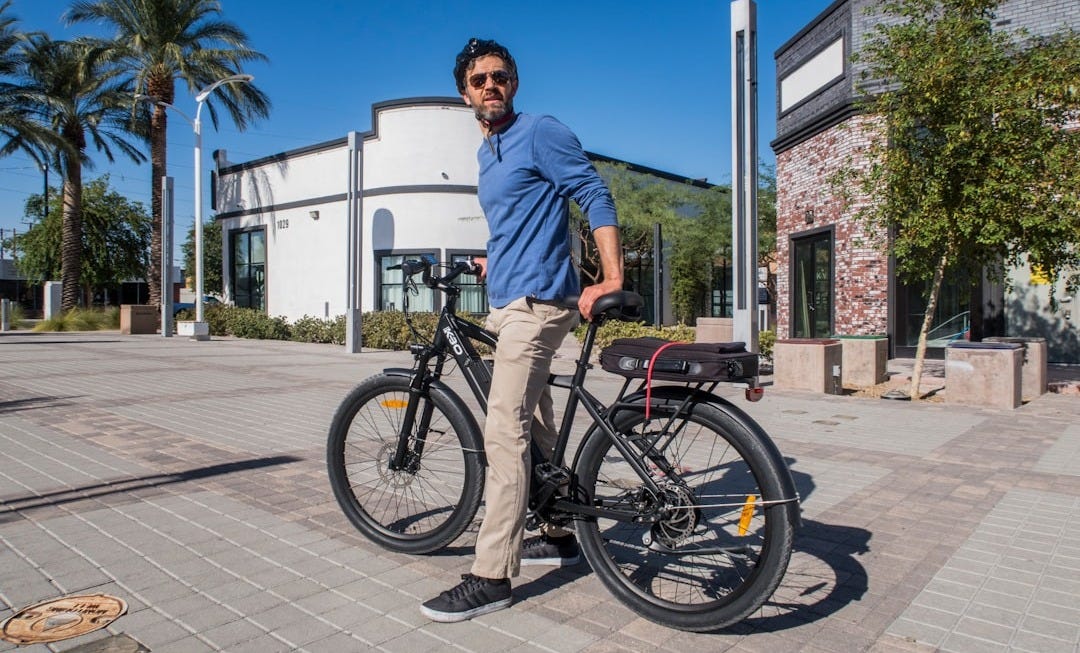
E-bikes are everywhere in Boynton Beach - zipping down Seacrest, weaving through Congress Avenue traffic, and delivering food at breakneck speeds. But the wild west days of unregulated electric bikes may be coming to an end.
New state legislation (SB 382/HB 243) is barreling through Tallahassee, and if it passes during the 2026 session, everything changes by 2027. The reason? The numbers are grim.
Palm Beach County recorded 1,800 pedestrian and bicycle crashes in 2024, earning it a spot on Florida’s most dangerous places to ride. By late 2025, another 1,441 collisions had occurred - 131 serious injuries and 39 fatalies. Here in Boynton Beach, police typically field bike-related incident calls every other day. The first quarter of 2025 in Boynton saw 31 crashes between cyclists and drivers - a dozen more than the same period in 2024.
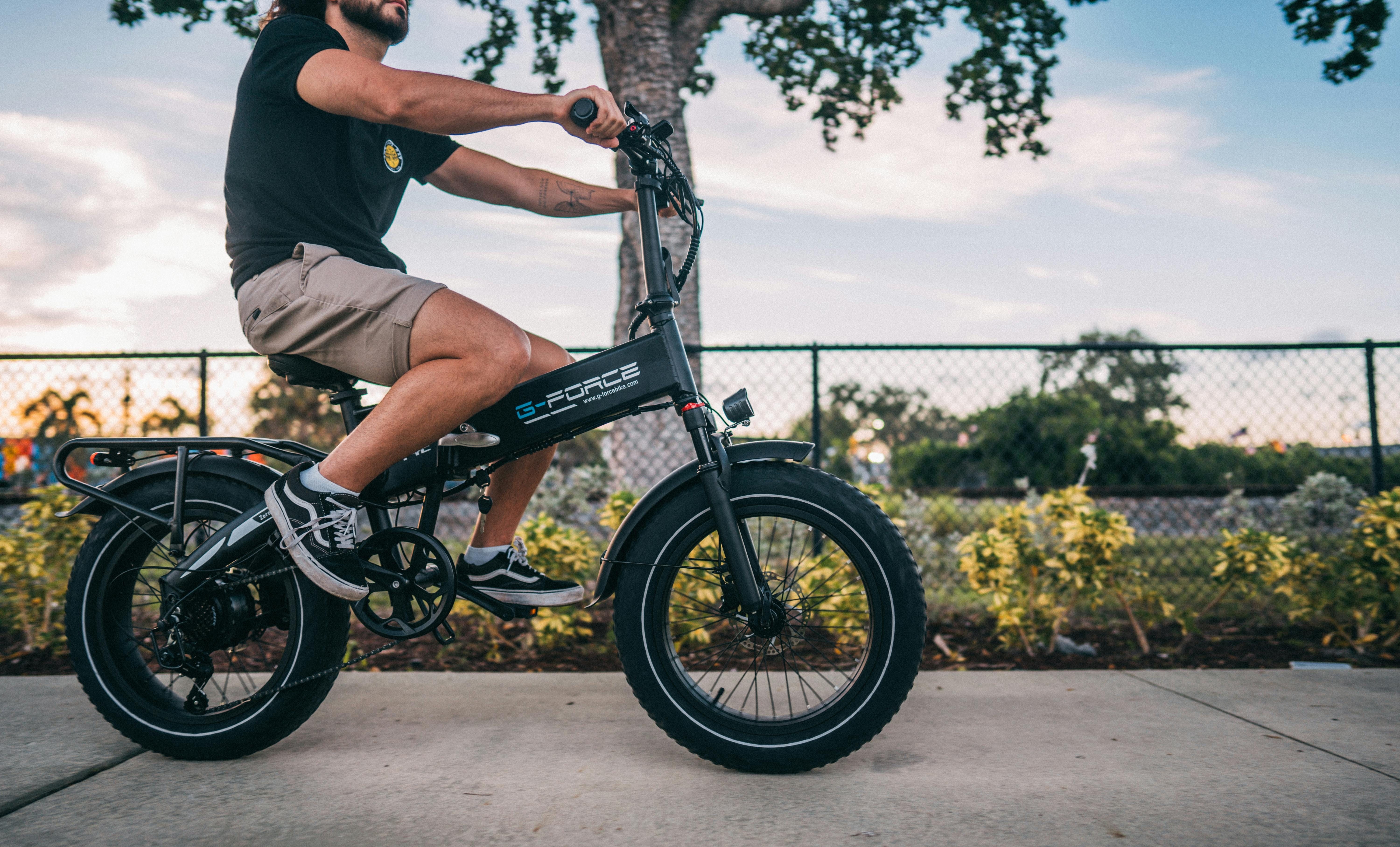
The publisher of this newsletter (Chad - author of this article) often rides an e-bike through Palm Beach County. I’ve personally witnessed cars hitting riders and have had several near-misses myself. One major issue is that drivers don’t see the E-bikes riding near them. The second major issue is that many roads do not have clearly delineated bike lanes. This means E-bike riders are forced to ride on the same street as cars or ride on the sidewalks where they must navigate trees, people, bus stops, debris, and other obstacles. Furthermore, some streets, like parts of Federal Highway, have neither bike lanes or sidewalks to ride on, making things worse.
Local hotspots like North Congress Avenue and Seacrest Boulevard have become danger zones. According to the Palm Beach MPO Crash Dashboard, 85% of incidents happen on roads with speed limits above 35 mph, and over half involve commuters - not weekend warriors. Narrow or nonexistent bike lanes force riders into traffic, turning every commute into a gamble.
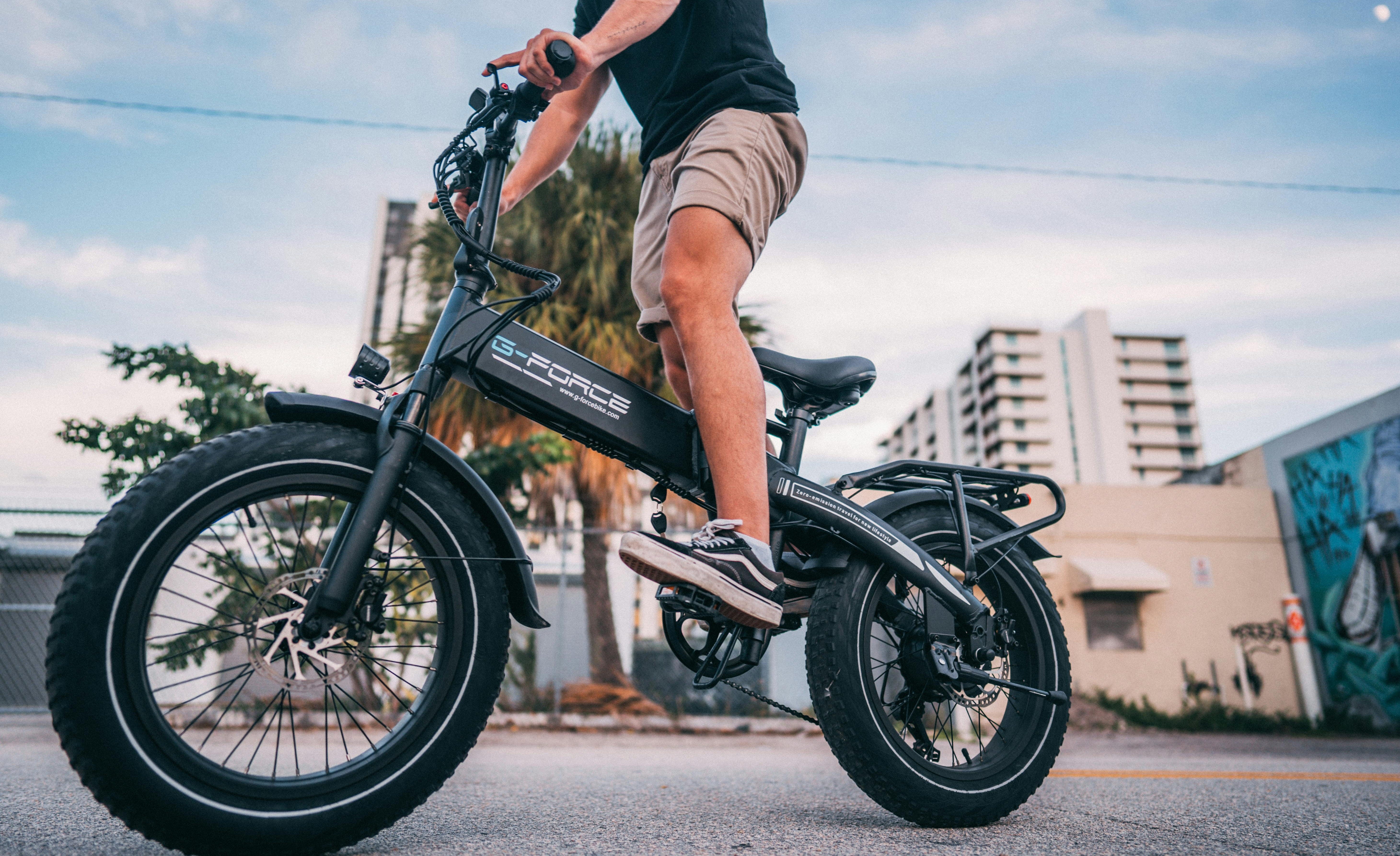
So what’s changing? Under the proposed law, riders of Class 3 E-bikes (the ones that hit 28 mph) will need a driver’s license or learner’s permit. Kids under 16 won’t be allowed on high-powered bikes (750 watts+). These bikes will be reclassified as “electric motorcycles.” Class 1 and 2 bikes, capped at 20 mph, will remain accessible to younger riders.
Helmets still won’t be required for riders 16 and older - unless your city says otherwise. But all bikes must have working front lights visible from 500 feet and rear reflectors visible from 100 to 600 feet for nighttime riding. Cyclists will have to yield to pedestrians, use audible signals when passing, and obey all traffic laws. Break the rules? Expect enforcement. Tamper with your bike’s speed limiter? There will be penalties.
Local governments can go even stricter if they want. And given Boynton’s rising crash numbers, that’s entirely possible. It will be interesting to see how this all unfolds later this year and into 2027. The bottom line is that we need laws to protect E-bikes and pedestrians while minimizing crashes. The new roads being created often include bike lanes, which will cut down on accidents. But the older roads are a big problem and I don’t know how the county will solve it.
The Boynton Weekly will continue tracking this story as it develops. Stay subscribed for further information in addition to the most important local news. Thank you for reading Boynton Beach’s premiere newsletter.
Solid reporting on something that needed adressing years ago. The infrastructure gap you mention is key, bc no amount of licensing will fix roads that force bikes into car traffic. I've ridden in cities with dedicated bike lanes and the diferance in both safety and ridership is night and day. The tamper-with-speed-limiter penalties make sense but enforcement is gonna be the real challenge here.