

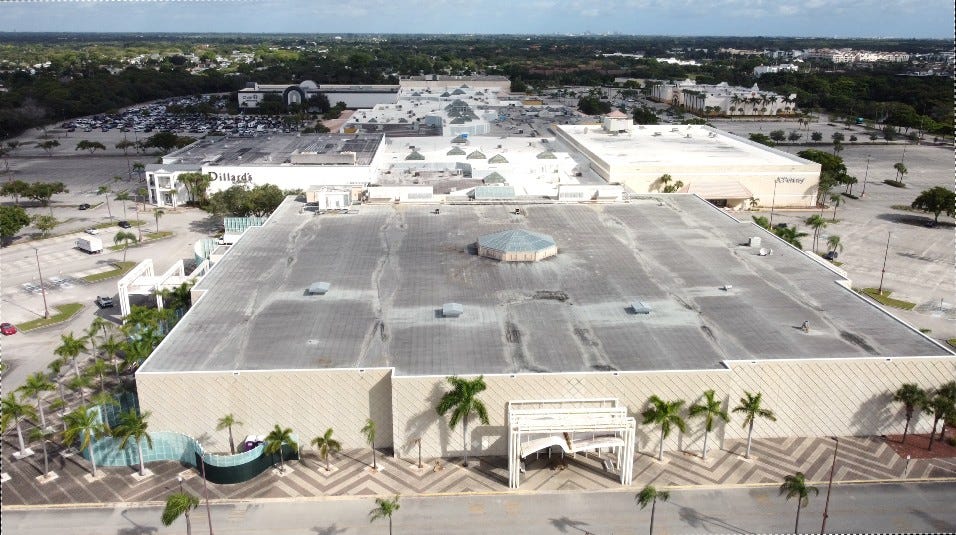
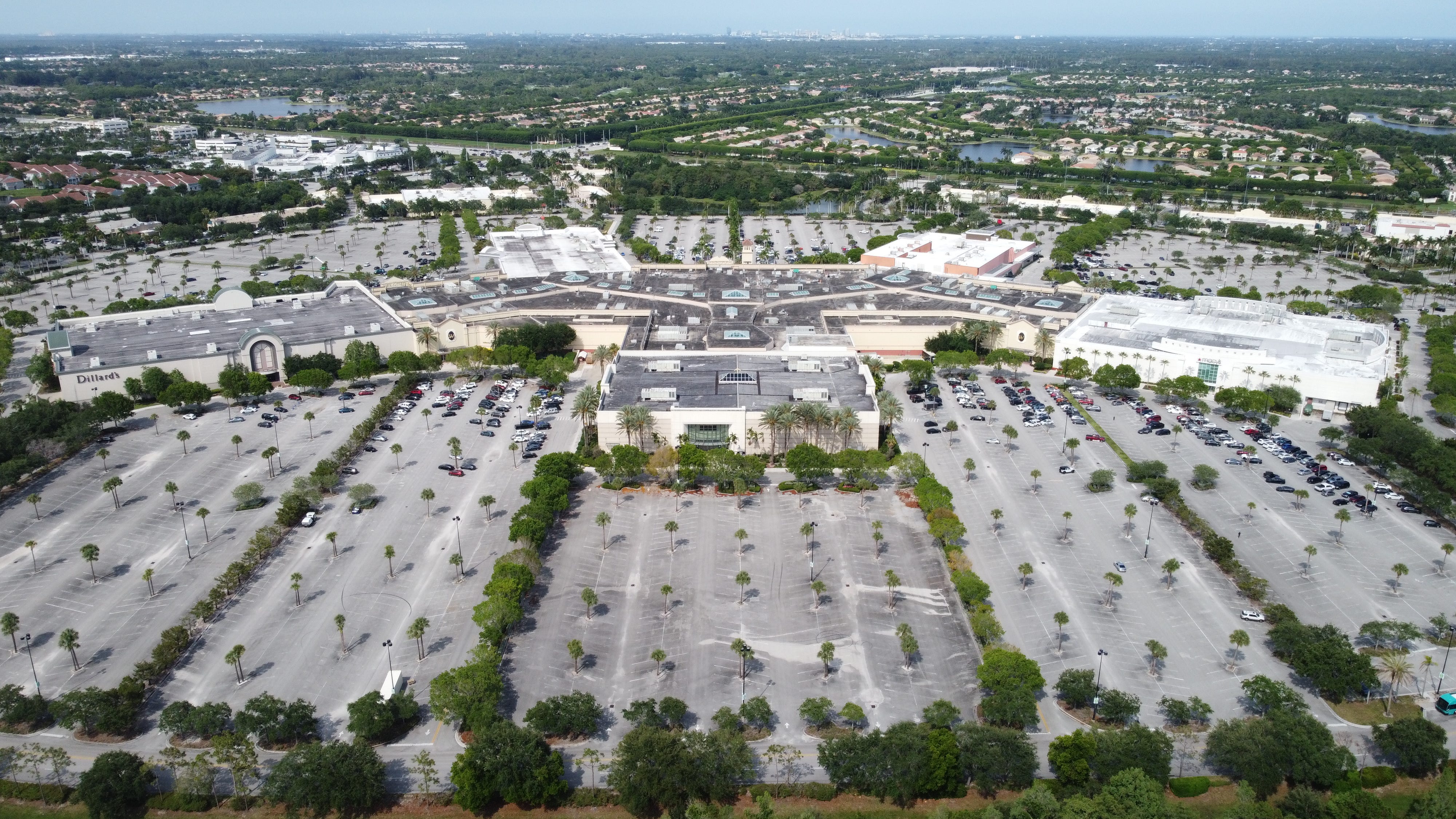
Two major malls west of Interstate 95 are now facing the same unavoidable reality: the traditional indoor mall is fading away. But while both The Mall at Wellington Green and Boynton Beach Mall are battling retail decline, what comes next for each property could reshape their communities in very different ways.
The biggest headline right now is in Wellington, where a long-empty former Nordstrom building may soon be replaced by hundreds of apartments. Developers recently proposed demolishing the vacant anchor store and replacing it with a 620-unit residential project complete with parking garages, green space, and amenities. It’s one of the clearest signs yet that malls are no longer just about shopping. Across the country, aging retail centers are being transformed into mixed-use destinations with housing, entertainment, restaurants, hotels, and office space. Amazon carts and online shopping habits have changed the game, and many malls are struggling to keep up.
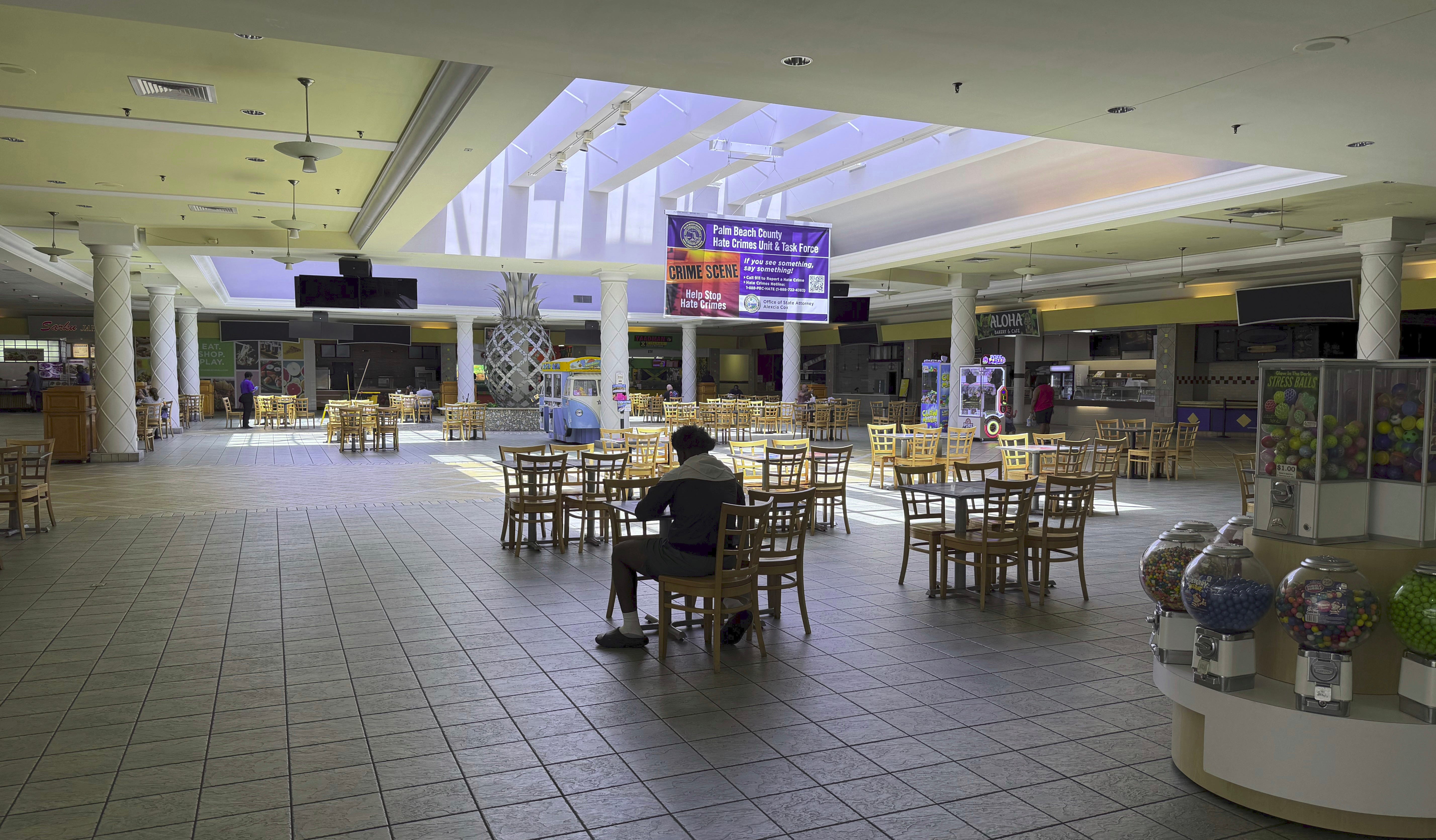
Meanwhile, the story unfolding in Boynton Beach feels even more personal for longtime residents. Opened in 1985, the Boynton Beach Mall was once the heartbeat of local shopping. For decades, it was where families gathered, teenagers wandered the halls on weekends, and holiday crowds packed the parking lots. But times have changed. Vacancies continue to grow, foot traffic has slowed, and even the food court has seen quieter days. We joked around the holidays last year about whether Santa Claus might eventually stop making appearances there altogether. It sounds funny, but the question reflects a real uncertainty surrounding the mall’s future.
Unlike Wellington, Boynton Beach Mall sits in one of the fastest-growing corridors in the city. Massive residential projects continue rising around Congress Avenue, Old Boynton Road, and Boynton Beach Boulevard, bringing thousands of new residents into the area. The mall still benefits from its prime location near Interstate 95, but developers increasingly see the property less as a retail center and more as valuable redevelopment land sitting in the middle of a booming area.
That’s why speculation continues to grow about what the property could eventually become. More than five years ago, city officials began discussing ideas that included up to 1,400 residential units, along with restaurants, retail, office space, hotels, and medical offices. In many ways, the vision mirrors what is happening nationally: transforming outdated malls into “live-work-play” districts designed for modern lifestyles.
Of course, that transformation comes with tradeoffs. Redeveloping the mall would likely add even more density and traffic to an already congested area around Congress Avenue and Old Boynton Road. At the same time, it could create a more walkable environment, attract new businesses, and inject fresh energy into the corridor. It’s a delicate balancing act, and one city leaders will likely be debating for years.
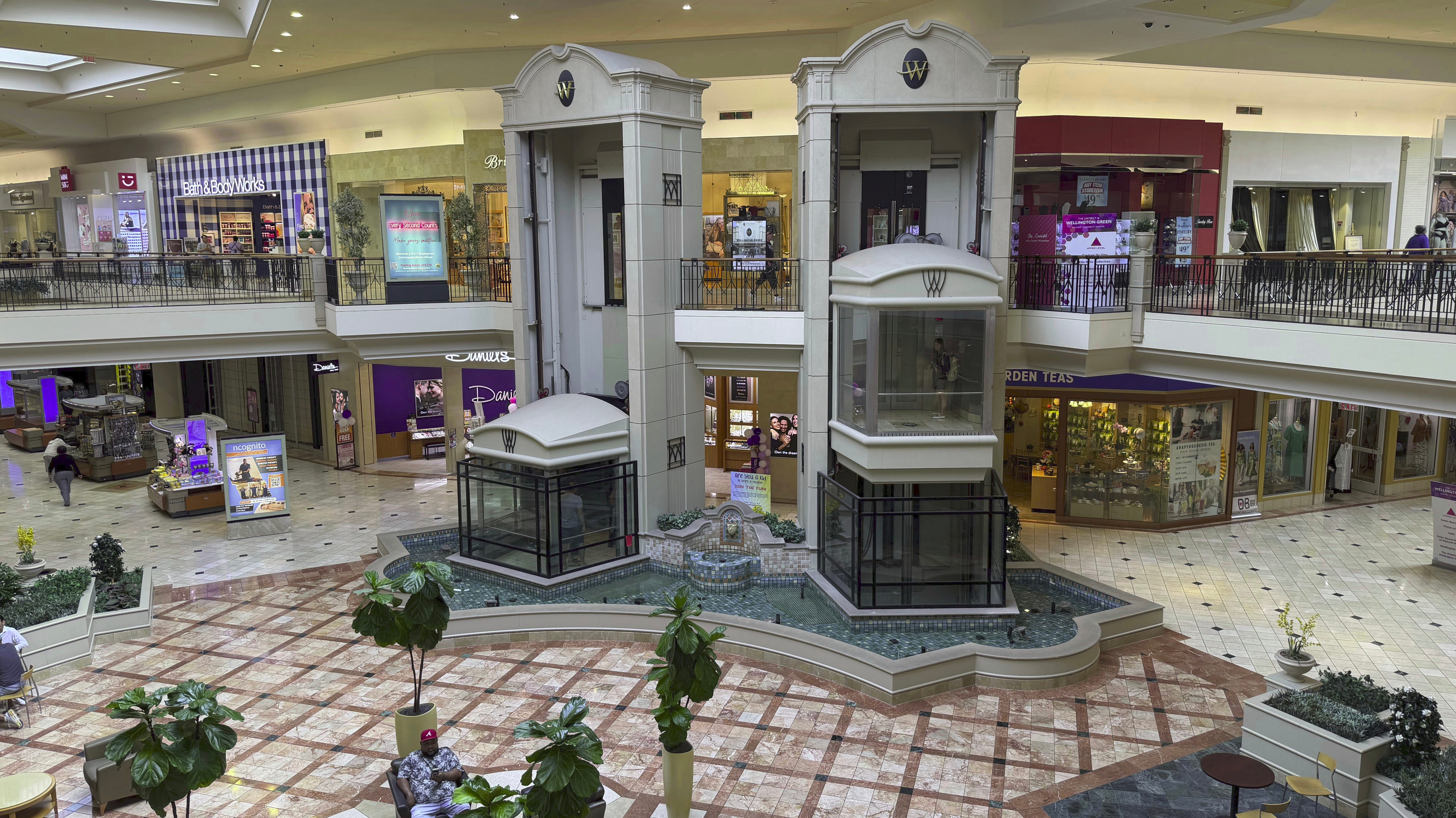
What’s happening at these two malls says a lot about the future of South Florida itself. The Mall at Wellington Green appears to be evolving into a hybrid residential-retail district while still maintaining stronger shopping activity. Boynton Beach Mall, meanwhile, may face pressure for a far more dramatic reinvention as vacancies continue to grow.
In the end, these properties are becoming less about shopping bags and department stores and more about housing, entertainment, and long-term redevelopment. What happens next could help define how Boynton Beach and the surrounding communities evolve over the next decade.
